
Double glazing is a widely adopted technology that has significantly improved the energy efficiency and comfort of modern homes. By trapping a layer of air or gas between two panes of glass, double glazing provides enhanced thermal insulation and reduces noise pollution. But have you ever wondered about the origins of this innovative technology and how it has evolved over the years? In this article, we’ll delve into the fascinating history of double glazing, exploring its ancient roots, development, and modern applications.
Ancient Beginnings
While double glazing is considered a modern innovation, its roots can be traced back to the Roman Empire. The ancient Romans used a crude form of double glazing by placing a thin layer of transparent stone, such as mica or selenite, between two panes of glass. This technique was primarily used in bathhouses and other heated buildings to retain warmth while allowing natural light to enter.
The Emergence of True Double Glazing
The concept of double glazing as we know it today took shape in the early 20th century. In 1930, an American inventor named C.D. Haven patented a method for insulating windows using two panes of glass with an air space between them. Haven’s design reduced heat loss and improved soundproofing, providing the foundation for modern double glazing technology.
Post-World War II Developments
The 1950s and 1960s witnessed significant advancements in double glazing technology. These developments were driven by the rising costs of heating and the growing concern for energy efficiency. In 1952, the first commercial double-glazed windows were introduced in the United States by Andersen Corporation. These windows featured a hermetically sealed unit with an air space between two panes of glass, providing enhanced insulation and noise reduction.
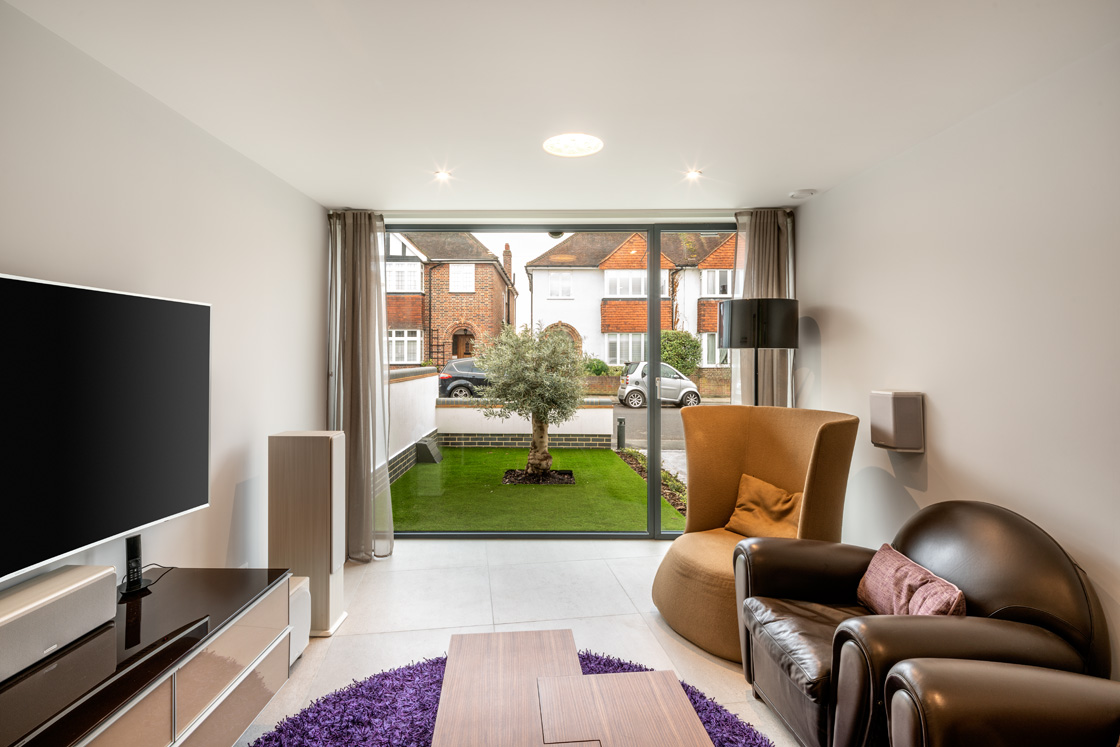
7 Westbury Road, New malden, Surrey, KT3 by Joas Souza Photographer
The Advent of Low-E Glass and Gas Fills
In the 1970s, scientists developed low-emissivity (low-E) glass, which has a thin metallic coating that reflects heat while allowing light to pass through. This innovation improved the energy efficiency of double-glazed windows by reducing heat transfer. Additionally, researchers began experimenting with inert gas fills, such as argon and krypton, which have lower thermal conductivity than air. This development further enhanced the insulating properties of double glazing.
Modern Double Glazing: Innovation and Sustainability
Today, double glazing technology continues to evolve, with manufacturers focused on improving energy efficiency and sustainability. Triple-glazed windows have become increasingly popular in cold climates, providing even greater insulation than double-glazed windows. Furthermore, the use of warm-edge spacer bars, which reduce heat loss around the edges of the window, has become standard in the industry.
Smart glass technology is another innovation that has the potential to revolutionize double glazing. Electrochromic or thermochromic coatings can be applied to glass, allowing it to change transparency in response to electric current or temperature changes. This technology enables homeowners to regulate the amount of sunlight and heat entering their homes, reducing energy consumption and improving overall comfort.
 The evolution of double glazing is a testament to human ingenuity and the pursuit of energy efficiency. From its ancient beginnings to its modern applications, double glazing has become an essential component of contemporary homes. As we continue to prioritize sustainability and energy conservation, we can expect further innovations in double glazing technology to shape the future of our built environment.
Comments are closed.