
Every winter, the same thing happens in homes across Scotland. You open the curtains on a cold morning and the glass is streaming, with little pools of water gathering on the sills. Condensation on windows is one of the most common questions we hear from homeowners, and it’s usually easy to bring under control. Here’s why it happens, when it’s a sign of a bigger problem, and the practical steps that stop it.
Why Condensation Forms on Windows
Warm air holds more moisture than cold air. When warm, damp air inside your home meets a cold surface, it cools down and can’t hold all that water vapour any more, so it turns back into droplets. Glass is often the coldest surface in a room, which is why windows show it first.
A typical household puts a surprising amount of moisture into the air every day, simply by living normally. The biggest sources are:
- Cooking, especially boiling pans without a lid
- Showers and baths
- Drying washing indoors on radiators or airers
- Breathing, particularly in bedrooms overnight with the door shut
- Unvented tumble dryers and paraffin or bottled gas heaters
In a Scottish winter, with long, cold nights and damp weather outside, the gap between indoor and outdoor temperatures is at its widest. That’s why condensation tends to peak from late October through to March.
Inside, Outside or Between the Panes: What It Means
Where the condensation appears tells you a lot about what’s going on.
- On the inside of the glass. This is about moisture and ventilation in the room. It’s the most common type and the one this guide focuses on.
- On the outside of the glass. This is usually a good sign. It happens on clear, cold mornings when well-insulated glazing keeps the heat inside, so the outer pane stays cold. It clears as the day warms up.
- Between the two panes. This means the seal on the sealed unit has failed and moist air has got into the gap. Wiping won’t help, and the unit will need replacing.
The Energy Saving Trust’s guide to damp and condensation makes the same distinction, and notes that persistent condensation on the inside can lead to damp and mould if it’s left alone. If you’re seeing misting between the panes, our post on when double glazing needs replacing explains the other signs to look for.
Practical Ways to Stop Condensation on Windows
Most condensation can be cut down dramatically with a few everyday habits. The aim is simple: produce less moisture, get rid of what you do produce, and keep surfaces warm.
Let moisture out
- Open a window for 10 to 15 minutes each morning, especially in bedrooms, to swap damp air for drier air.
- Use the extractor fan when cooking and showering, and leave it running for a while afterwards.
- Keep the kitchen and bathroom doors closed while they’re in use, so steam doesn’t spread through the house.
- If your windows have trickle vents, leave them open. They provide gentle background ventilation without a noticeable draught.
Produce less moisture
- Put lids on pans and avoid leaving kettles boiling.
- Dry washing outside when you can. If you have to dry it indoors, use one room with the window slightly open and the door shut, or use a vented or condenser dryer.
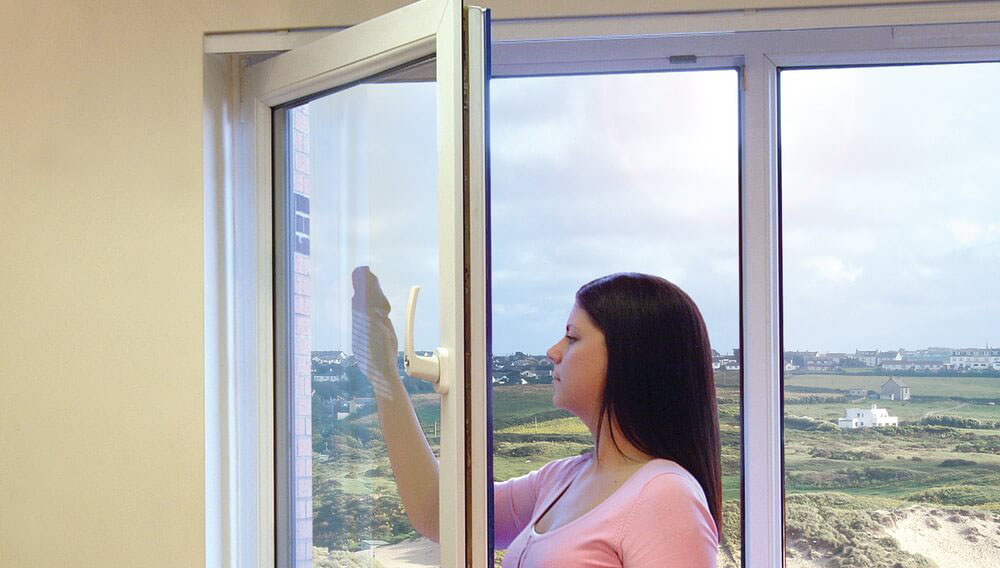
- Wipe down windows and sills first thing in the morning with an absorbent cloth or a window vacuum, and wring it out into the sink rather than leaving it to dry on a radiator.
Keep surfaces warmer
- Keep a low, steady background heat on rather than letting rooms get very cold and then heating them quickly.
- Leave a small gap between furniture and outside walls so air can circulate.
- Don’t let heavy curtains trap cold, damp air against the glass overnight. Open them each morning to let the window air out.
Home Energy Scotland gives similar advice, and also points out that a dehumidifier can help in rooms where condensation is persistent.
How Your Windows Can Help
Ventilation and habits do most of the work, but your windows play a part too. Older single glazing, or early double glazing with aluminium spacer bars, has a cold inner pane that condensation forms on very easily. Modern energy-efficient glazing keeps the inner pane much closer to room temperature, which makes condensation far less likely.
The features that make the biggest difference are:
- Low-emissivity (low-E) glass, which reflects heat back into the room and keeps the inner pane warmer.
- Gas-filled sealed units, with argon between the panes to slow heat loss.
- Warm edge spacers, which contain virtually no metal, so the edges of the glass stay warmer. This is where condensation often starts.
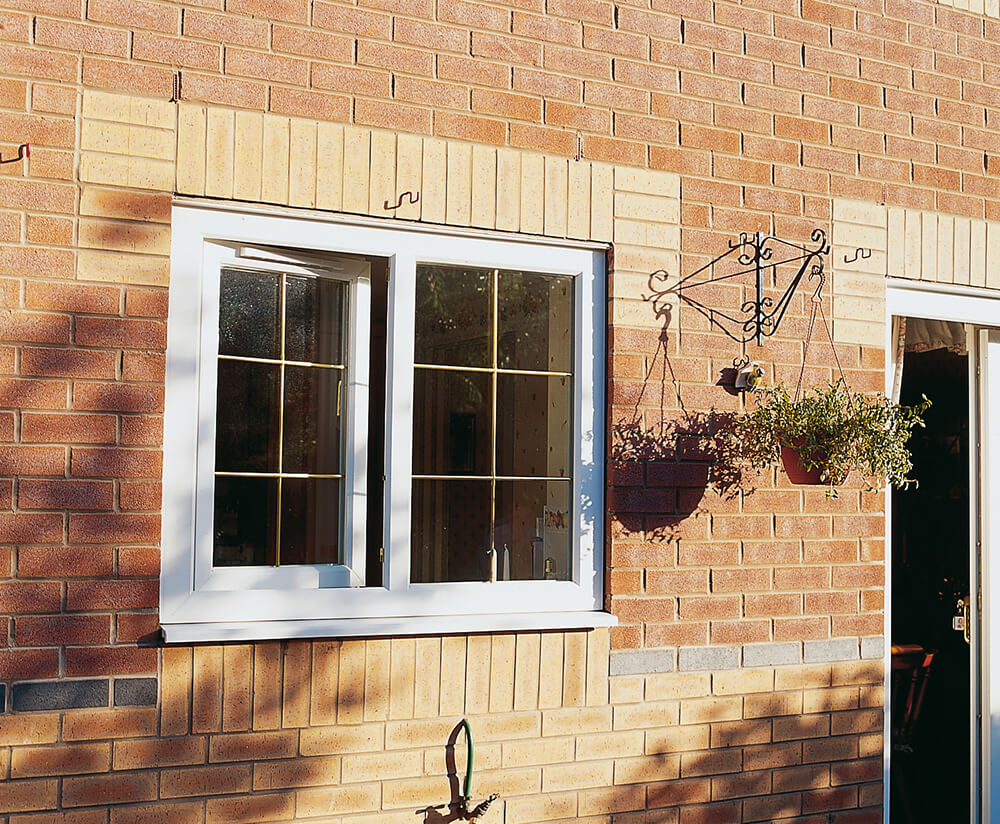
- Easy ventilation positions. Our casement windows have lockable venting handles, and our tilt and turn windows tilt back into the room for ventilation while staying secure.
Our uPVC double glazed windows are available with an A rating under the BFRC Window Energy Rating scheme, which you can read about on our accreditations page. Better glazing won’t stop condensation on its own if a room is poorly ventilated, but it does give moisture far fewer cold places to settle.
When Condensation Points to a Bigger Problem
Some condensation on a cold morning is normal. It’s worth looking more closely if you notice:
- Black mould around the window frame, on the sills or in the corners of the room
- Condensation that’s still there in the afternoon, or appears on walls as well as glass
- Misting between the panes of a double glazed unit
- Peeling paint, damp plaster or a musty smell
- Draughts or whistling around the frame, which can point to worn seals or poor fitting
Mould should be cleaned off promptly with a suitable mould remover. If condensation keeps coming back despite good ventilation, or your windows are old and failing, it may be time to look at replacement. Regular care also helps windows last, and our handy hints on maintaining your windows and our care and maintenance guide are a good place to start.
Frequently Asked Questions
Is condensation on windows a sign the glazing is faulty? Not usually. Condensation on the inside of the glass is almost always caused by moisture in the room. It’s only a fault when it forms between the panes, which means the sealed unit has failed.
Will new double glazing stop condensation completely? Energy-efficient glazing reduces it a lot because the inner pane stays warmer. But if a room produces a lot of moisture and has little ventilation, some condensation can still form, so ventilation habits still matter.
Should I keep my trickle vents open in winter? Yes. Trickle vents provide steady background ventilation that helps prevent condensation and damp, with very little effect on heat loss.
Talk to Us About Warmer Windows
Scotia has been manufacturing windows and doors in Ayrshire since 1983, supplying homes, housebuilders and the trade across Scotland. If condensation is a constant battle and you’re thinking about upgrading your windows, get in touch with our team or download our brochure to see the full range.
Comments are closed.