
Picture a fourth-floor flat in a refurbished block in Glasgow. The tenant wants clean windows, the housing association doesn’t want anyone leaning out with a cloth, and nobody fancies paying for a cherry picker every few months. That one problem, getting at the outside of the glass from the inside, is the main reason fully reversible windows keep turning up on specifications for flats, tower blocks and multi-storey new builds. Here are the questions we get asked most often about them by specifiers, site managers and joiners, with straight answers.
What is a fully reversible window, exactly?
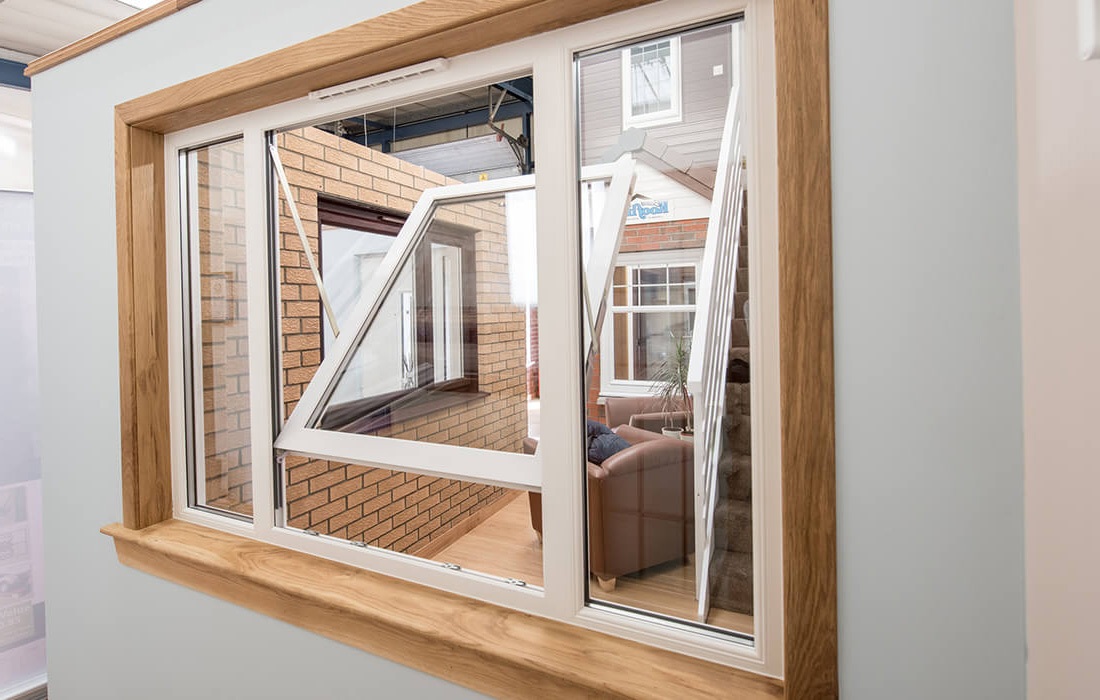
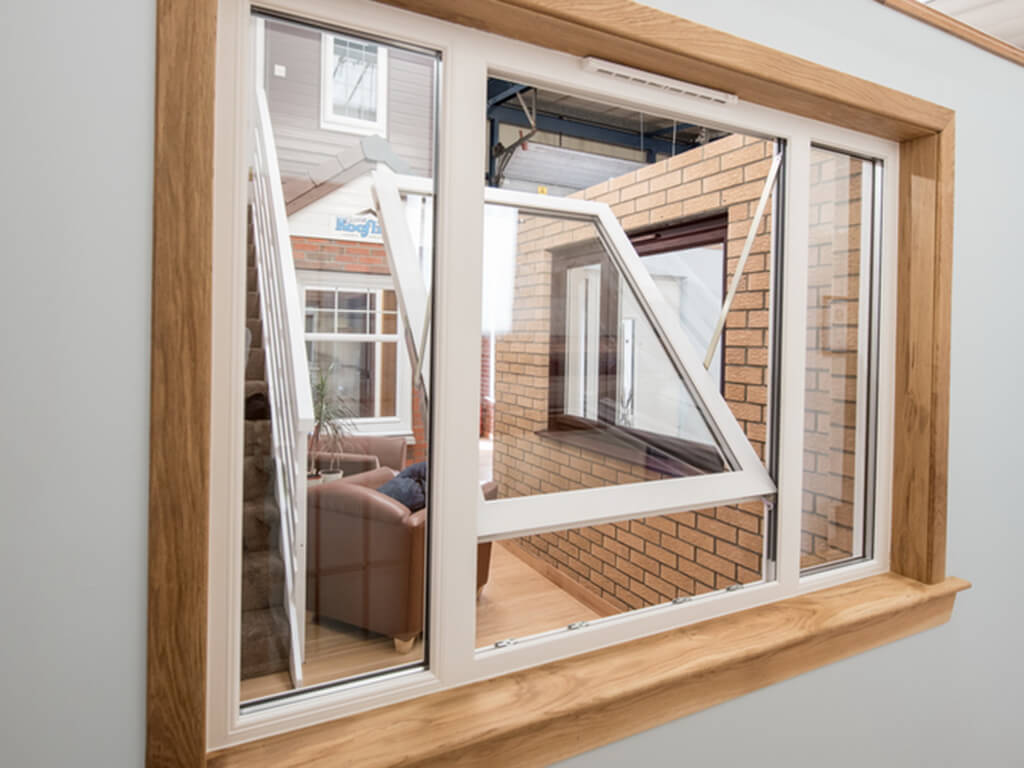
It’s a window whose sash pivots in the middle of the frame and can be turned right round, so the external face of the glass ends up facing into the room. Once it’s reversed, the outside pane can be cleaned in comfort from indoors. Turn it back, close it, and it looks and seals like any other window.
Most of the time residents use it as an ordinary opening window for ventilation. It’s the full reversal for cleaning that sets it apart from a casement, and it means nobody has to lean out or stretch round the frame to reach the external glass.

Why do they suit flats and high-rise homes so well?
Three reasons come up again and again on multi-storey jobs:
- Safe cleaning. Residents can clean both sides of the glass without reaching out of an open window, which matters a great deal above ground floor.
- Lower running costs for landlords. If residents can clean their own glazing safely, there’s less reliance on access equipment or abseil teams for routine window cleaning.
- A child-safe design. The design gives a child-safe method for easy cleaning and emergency escape, which is exactly what anyone responsible for an upper-floor flat wants to hear.
Section 4 (Safety) of the Scottish building standards domestic technical handbook includes guidance on cleaning windows safely, so it’s worth checking the current edition against your elevations early in the design. A fully reversible window is one of the most practical ways to deal with it on upper floors.
Are fully reversible windows as secure and weathertight as a casement?
They should be, if they’re made properly. Our fully reversible windows use a 70mm frame depth in impact-modified uPVC, reinforced to our system supplier’s specification. They’re security glazed from the inside, which makes the glass much harder to tamper with from outside, and they’re manufactured under our BSI Kitemark to BS 7412, which covers performance and durability.
Where a project needs more, the range can be upgraded to enhanced security to PAS 24:2016 and Secured by Design. On social housing and new-build developments that’s often a requirement rather than an option.
What about energy performance?
This is where a lot of reversible windows on the market fall short, because the pivoting sash is harder to seal well. Ours are one of the few fully reversible windows to achieve a BFRC Window Energy Rating of “A”, available as an optional extra. The standard specification uses a 28mm sealed unit. If you’re working through SAP calculations or an EPC target, tell us early and we’ll quote the right glazing. For background on the label itself, see our older post on window energy ratings, and our accreditations page for the full list.
Fully reversible or tilt and turn: which should I specify?
Both let you clean the outside of the glass from inside, so this is a fair question. The short version:
| Fully reversible | Tilt and turn | |
|---|---|---|
| How you clean the outside | Sash turns right round so the outer face is indoors | Sash swings fully into the room on side hinges |
| Room space needed | Less; the sash pivots in the middle rather than swinging its full width into the room | Needs clear space for the sash to swing in |
| Best fit | Flats, tower blocks, rooms with furniture under the window | Larger openings, rooms with clear floor space |
If there’s a radiator, worktop or bed under the window, the reversible usually wins because nothing has to swing into the room. Where there’s space and a wider opening is wanted, tilt and turn windows are a strong alternative. We compared tilt and turn with casements in more detail in this recent post.
Can I get them in colours other than white?
Yes. Standard finishes are white, rosewood, cherry, rosewood/white and cherry/white, and a wider range of almost 15 colour combinations is available to special order in quantities as low as two frames. That’s useful on refurbishment work where a block needs to match existing windows, or on a new development where the planning approval specifies a colour.
Which Scotia range is right for my job?
We make fully reversible windows in three ranges, built in our Ayrshire factory and matched to the way each customer buys:
- Commercial fully reversible windows for housing associations, local authority refurbishments and contractors on multi-storey blocks, supported by our Commercial division.
- New build fully reversible windows for housebuilders putting up flatted developments, through Scotia New Build.
- Trade fully reversible windows for installers and joiners replacing windows in individual flats, available through our Trade Centre at Moorfield Park, Kilmarnock.
Talk to us about your next flatted project
Whether it’s one flat or a whole block, send us your schedule or elevations and our team will come back with the right specification, security level and energy rating for the job. Contact our Commercial, New Build or Trade team, or download our brochure to see the full window range.
Comments are closed.