
Double glazed windows and triple glazed windows are two of the most popular options for improving the energy efficiency of your home. It can be hard to decide between the two, which is why we’ve outlined some key points to help you make an informed decision about what option is best for you.
Temperature Control & Insulation
- Double Glazing is better at keeping the heat in than single glazing
- Triple Glazing is better at keeping the heat out than double glazing.
- Triple Glazing is better at keeping the cold in than double glazing.
Sound Proofing & Acoustic Insulation
Soundproofing is the process of reducing noise. Sound proofing can be done using either double or triple glazing, but it’s important that you understand how each type works and the benefits of each so that you can decide which one is right for you.
Double Glazing: Double glazing is a common form of soundproofing used in homes and businesses throughout the world. It reduces noise by about 20-30%. This means if you are standing next to two windows with double panes, you would hear less outside than if there were no glass between you and what was going on outside (like traffic). This reduction in volume will allow for conversations to be held more easily across multiple rooms within a home or office building because there won’t be as much background noise from outside sources interfering with those conversations.
Triple Glazing: Triple glazing is a form of soundproofing that reduces noise even more than double paned windows do. The difference between the two is that triple pane windows are made with three sheets of glass instead of two. This means they will cut out approximately 30% more noise than double pane windows do.

Aesthetics & Design
You should choose double glazing if you want to improve the aesthetics of your home. If you have an old-fashioned property, with traditional, single-pane windows, it could look out of place. Double glazing is normally used to fill in the gap between the window and the frame, making them look like they belong together.
Triple glazing is more commonly chosen for insulation purposes than aesthetics ones; however, there are some models available that do look good enough to be used on their own in modern homes without being an eyesore. These types of triple glazed units can cost more than double ones because they are designed to be as energy efficient as possible and so require more glass (and therefore cost more).
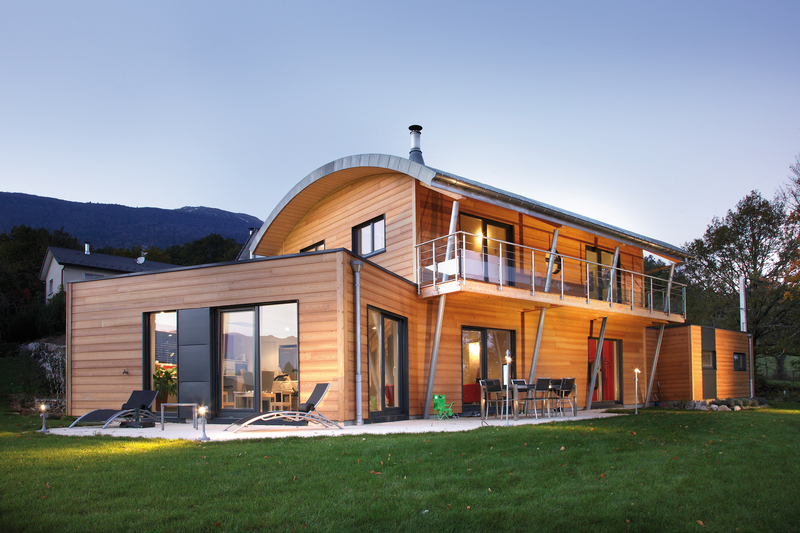
If you want to improve the aesthetics of your home, but don’t want to pay more than necessary for triple glazing, then you might be better off with double glazing. They are still very energy efficient, so they will save you money on your heating bills, and they look good too.
Energy Efficiency
Double-glazed windows are single units, with two panes of glass separated by an air gap. A gas fills that space to act as an insulator and keep heat in or out. Triple-glazing adds a third pane of glass, which further reduces heat loss through the window.
The advantages of double glazing
Double glazed windows are generally better at keeping out noise than single ones because they provide two layers of insulation rather than one. They also help keep your home warmer in winter by reducing heat loss and making it easier for you to maintain a comfortable temperature indoors. If you’re not bothered about noise but want your house to stay warm throughout the year, then this could be an option worth considering – especially if you live somewhere with harsh winters like Scotland or Canada!
- You will always be cold with double glushed windows. The gaps between the panes mean that some air will leak out before warming up inside your home again when it reaches outside temperatures (this is known as thermal bridging). This means that any warmth generated inside won’t last long – so even on relatively mild days in springtime when we might want open our windows just slightly more often than usual; this may still not be enough compared with triple glazed options where there wouldn’t be any gaps between frames at all which means less heat loss overall – meaning less money spent heating rooms unnecessarily during summer months when demand rises higher than usual due
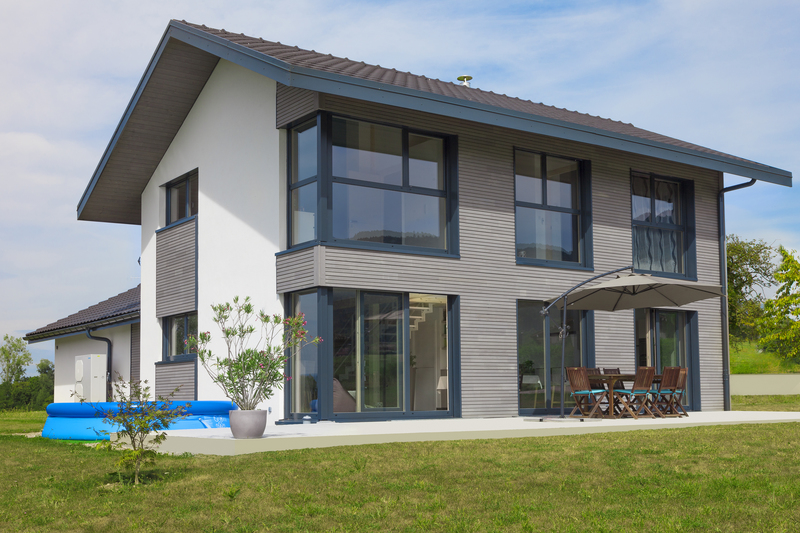
Knowing what type of glazing you require and understand the differences will help you to know if double or triple glazed windows are best for your home.
When you’re buying double or triple glazed windows for your home, knowing what type of glazing you require and understand the differences will help you to know if double or triple glazed windows are best for your home.
Double glazing has a U-value of 1.1W/m2K and triple glazing has a U-value of 0.8W/m2K – this means that double glazing is better in colder climates because it keeps the warmth inside your home, whereas triple glazing keeps heat out in warmer climates. This can help to reduce energy costs by keeping your house cooler during summer and warmer during winter months!
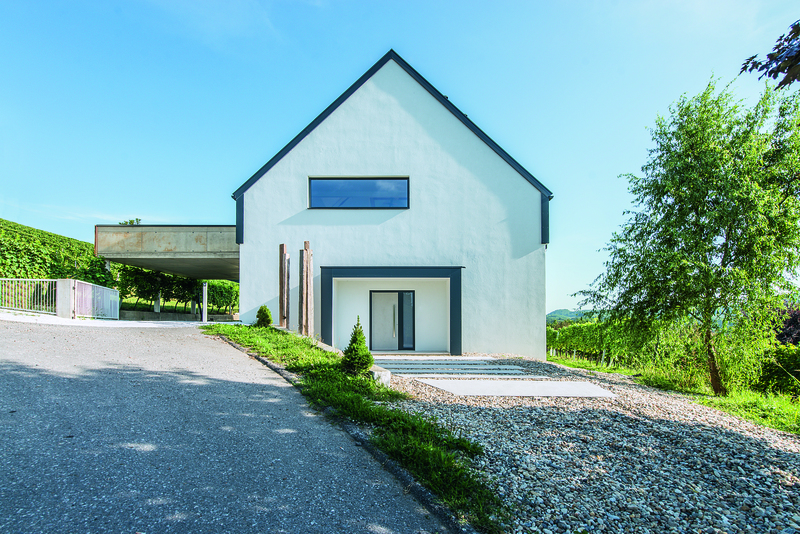
The main difference between double and triple glazed windows is that triple glazing has a lower U-factor (which measures how much heat passes through the glass) than double glazing. This means that triple glazing is better in warmer climates because it keeps the heat out, whereas double glazing keeps warmth inside your home.
Conclusion
If you’re considering new double or triple glazed windows for your trade or commercial project, our team of experts are on hand to help. Our experienced team can offer advice on the best solution for your needs and design a bespoke window to suit the job.
Comments are closed.